How to Choose the Best Spices? 10 Essential Rules for Choosing Quality Seasonings
How to Choose the Best Spices? 10 Essential Rules for Choosing Quality Seasonings
Spices and seasonings can completely transform the flavor of a dish, enhance the aroma of ingredients, and turn even a simple recipe into something exceptional. However, not all products on store shelves offer the same level of quality. Natural spices not only improve the taste of food but also retain their rich aroma and beneficial properties, while low-quality seasonings often disappoint with weak flavor and poor freshness.
In this guide, you'll learn how to choose high-quality spices, what to look for before buying, and how to distinguish fresh products from old or counterfeit ones.
Why Is It Important to Choose Quality Spices?
High-quality spices and seasonings offer several advantages:
- Enhance the natural flavor of ingredients.
- Add a rich, intense aroma to every dish.
- Are more economical because a small amount delivers great flavor.
- Contain no unnecessary artificial colors, preservatives, or flavor enhancers.
- Improve the appearance and color of prepared meals.
Low-quality spices, on the other hand, may have a weak aroma, bitter taste, or lose their flavor due to poor storage conditions.
1. Read the Ingredients Carefully
The first thing to check when buying spices is the ingredient list.
Quality seasonings should contain only natural ingredients. The shorter and simpler the ingredient list, the better. Avoid products with artificial flavorings, colorings, preservatives, or flavor enhancers such as MSG.
2. Check the Color
Natural spices should have a vibrant yet natural color.
For example:
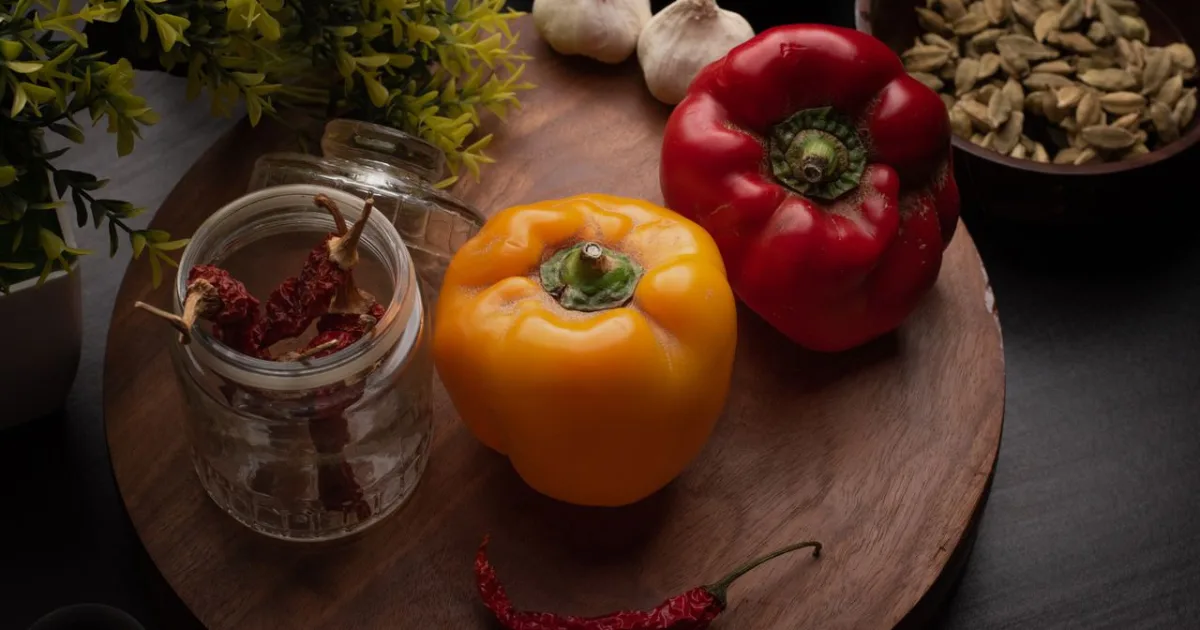
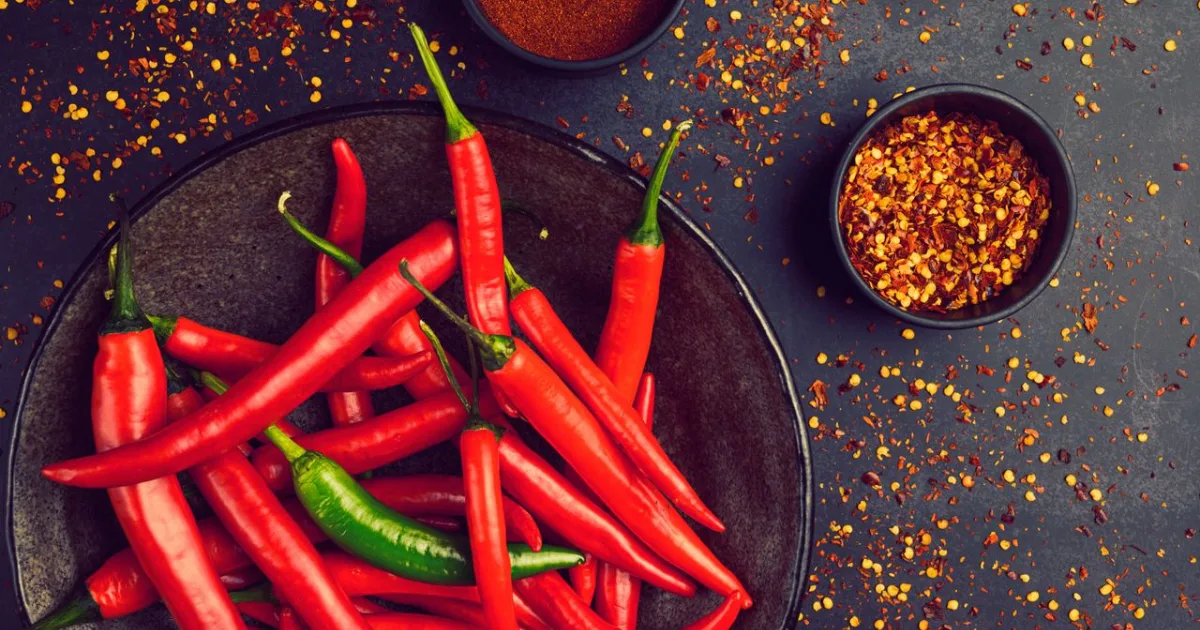
- Red Pepper — deep red.
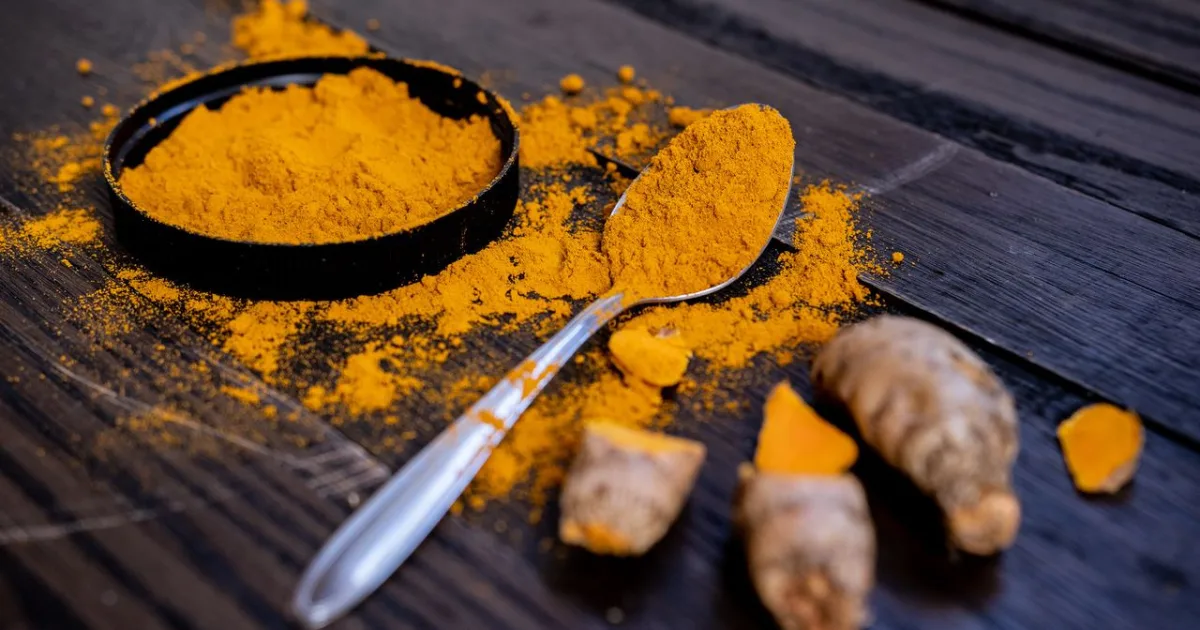
- Turmeric — bright yellow or golden orange.
- Paprika — rich red-orange.
- Black Pepper — uniform dark color.
If the color looks faded or unnaturally bright, it may indicate poor quality or the presence of artificial dyes.
3. Evaluate the Aroma
Aroma is one of the best indicators of freshness.
Fresh, high-quality spices release a strong and pleasant fragrance immediately after opening the package. If there is little or no aroma, the product is likely old or has been stored improperly.
4. Check the Production Date
Although spices have a relatively long shelf life, they gradually lose their essential oils, aroma, and flavor over time.
Whenever possible, choose products with the most recent production date.
5. Inspect the Packaging
Good packaging protects spices from:
- Moisture
- Sunlight
- Air
- Unwanted odors
Airtight packaging or glass jars help preserve freshness, aroma, and flavor much longer.
6. Choose Trusted Brands
Well-known manufacturers usually maintain higher quality standards, carefully control raw materials, and follow proper production and packaging processes.
Buying from a trusted brand reduces the risk of purchasing low-quality spices.
7. Avoid Buying Large Quantities
Even the best spices gradually lose their aroma after the package has been opened.
It's better to buy smaller packages that can be used within a few months.
8. Store Spices Properly
To keep spices fresh for as long as possible, store them:
- In a dry place.
- Away from direct sunlight.
- At room temperature.
- In tightly sealed airtight containers.
Proper storage helps preserve aroma, flavor, and freshness for months.
9. Compare the Ingredients of Spice Blends
When buying seasoning mixes for chicken, rice, barbecue, potatoes, or other dishes, always compare their ingredient lists.
Well-balanced blends contain natural spices without unnecessary additives and provide a harmonious flavor.
10. A Higher Price Doesn't Always Mean Better Quality
An expensive package doesn't automatically guarantee a better product.
Instead, focus on these key factors:
- Natural ingredients.
- Recent production date.
- Rich aroma.
- High-quality packaging.
- A trusted manufacturer.
Conclusion
Choosing high-quality spices is easier when you know what to look for. Always read the ingredients, check the production date, evaluate the aroma, inspect the color, and pay attention to the packaging. Buying from reputable manufacturers also increases the chances of getting fresh, natural, and flavorful spices.
The right spices can make every meal more aromatic, flavorful, and visually appealing. High-quality natural seasonings are the secret to bringing out the best in every re